Food waste in America: 2026 statistics you need to know
Americans wasted 70 million tons of food in 2024, worth 380 billion dollars, and the average family of four now loses nearly 3,000 dollars a year to food that never gets eaten. These are the latest numbers, plus a simple method for cutting your own share of the waste.
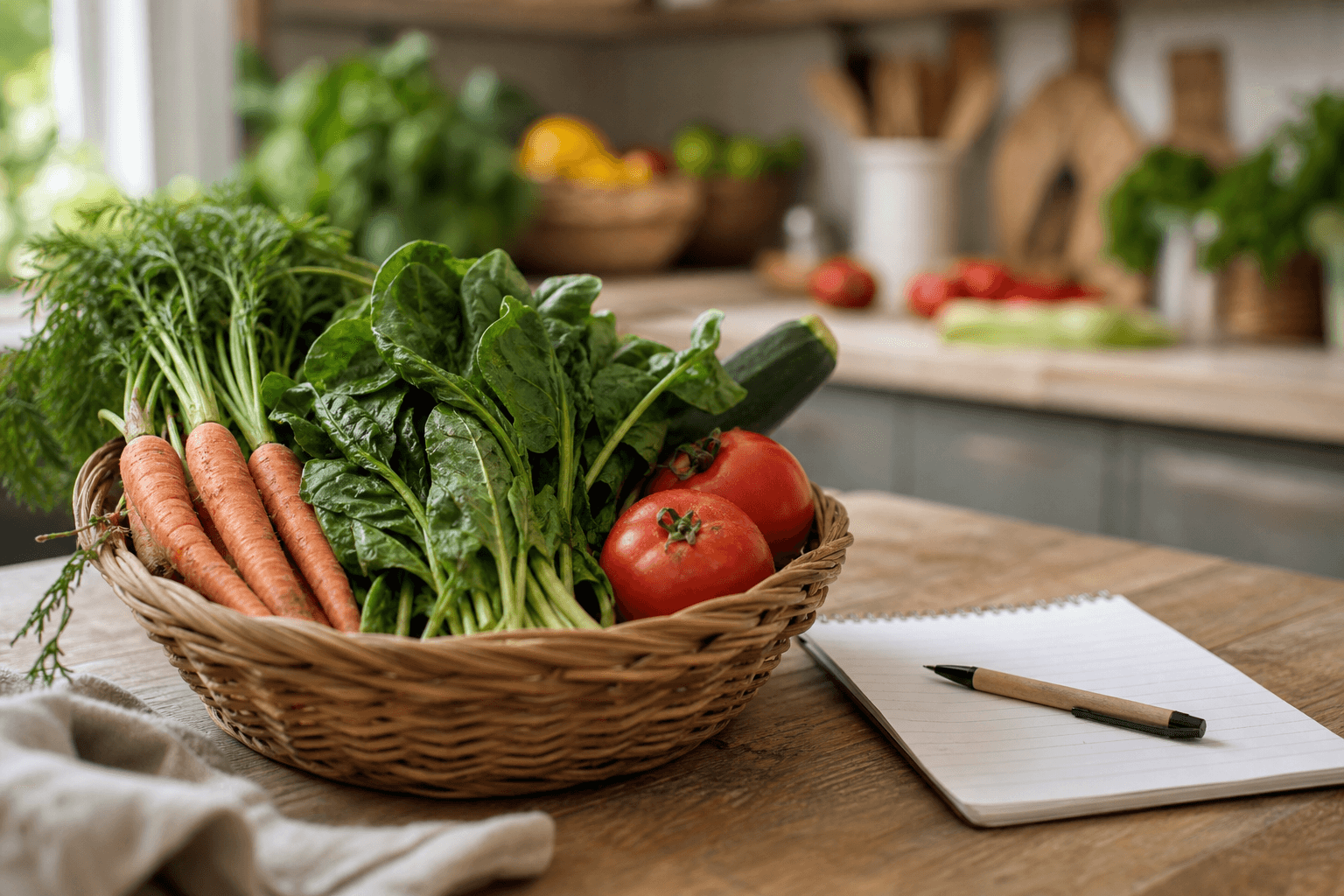
Americans wasted about 70 million tons of food in 2024, worth roughly 380 billion dollars, and the USDA still estimates that 30 to 40 percent of the entire food supply goes uneaten every year. Households are the single largest source of that waste, at 39 percent of the total, and the average family of four now loses close to 3,000 dollars a year to food that never gets eaten.
How much food does the US waste in 2026?
The most recent full-year data comes from ReFED's 2026 U.S. Food Waste Report, covering 2024. Total surplus food, meaning everything lost or thrown away across farms, factories, stores, restaurants and homes, came in at 70 million tons. That's down 2.2 percent from 2023, the first year-over-year drop since the pandemic disrupted supply chains in 2020. The USDA's Economic Research Service frames the bigger picture the same way it has for years: somewhere between 30 and 40 percent of the food produced in the United States is never eaten. In dollar terms, that surplus was worth about 380 billion dollars in 2024 alone.
The encouraging part is where the improvement came from. Residential food waste dropped by roughly 950,000 tons, the single biggest driver of the national decline, as high grocery prices pushed more households to plan meals, use up leftovers and pay closer attention to what's sitting in the fridge. If you want a full plan for doing the same in your own kitchen, our guide on how to stop wasting food at home walks through it step by step.
Where does most of the food waste happen?
Food gets lost or wasted at every stage of the system, but not evenly. Households and the combined retail and foodservice sector each account for roughly two-fifths of the total.
| Stage of the food system | Share of total US food waste | What's driving it |
|---|---|---|
| Households | 39% (the largest single stage) | Over-buying, forgotten leftovers, confusing date labels |
| Retail and foodservice | 40% combined | Restaurant plate waste (about 70% of foodservice loss), store overstock and spoilage |
| Farms and manufacturing | About 21% | Unharvested crops, cosmetic culls, processing trim |
That household share is exactly why the last few years of grocery-price pressure have mattered so much. When people manage what they already have better, like forgotten leftovers, wilting produce and expired dairy, the national number moves.
What does food waste cost your household?
In April 2025, the EPA updated its long-standing estimate of what wasted food costs American families, and the new number is a lot higher than the old one. A family of four now loses close to 3,000 dollars a year, about 728 dollars per person, up from the 1,500-dollar figure that had been cited for over a decade. The EPA says the old estimate was based on 2010 grocery prices, and food prices have risen more than 50 percent since then.
| Household size | Estimated annual cost of wasted food |
|---|---|
| 1 person | About $728 |
| 2 people | About $1,456 |
| 3 people | About $2,184 |
| 4 people | About $2,912 (rounds to "nearly $3,000") |
Meat and dairy give you the biggest opportunity to save money, according to the EPA, because they cost more per pound than produce, even though people throw out fruits and vegetables more often.
Which foods get wasted the most?
Fresh produce is the single most wasted category in the country. It makes up an estimated 45 percent of all surplus food by weight. At the household level, the breakdown looks roughly like this:
| Food category | Approximate share of household food waste |
|---|---|
| Fruits and vegetables | About 40% |
| Bread and cereal products | About 20% |
| Dairy (milk, cheese, yogurt) | About 15% |
| Everything else (meat, leftovers, pantry items) | About 25% |
Produce leads for a simple reason: it spoils fastest and gets bought most often. If you're regularly tossing wilted greens or soft peppers, our post on how to stop wasting groceries before they go bad covers storage fixes for the specific items that turn first.
Why food waste is bigger than a grocery bill
The EPA calls wasted food the single largest component of material reaching landfills in the United States, where it breaks down and releases methane. Producing that wasted food also consumes an estimated 21 percent of all freshwater used in the US food system, and emissions tied to 2024's surplus food were equivalent to 51 million cars driven for a year. On the donation side, less than 13 percent of food that could have been rescued and given to people in need was rescued, even though food insecurity remains widespread.
A 5-step method to cut your share of the waste
You don't need to overhaul how you cook to make a dent in these numbers. A short, repeatable routine does most of the work.
- Take inventory before you shop. Check what's already in the fridge, freezer and pantry before you write a list, so you're not buying duplicates of things you already own.
- Store food where it stays fresh. Where you keep produce and dairy changes how long it lasts. Our guide on how to stop throwing away food from the fridge covers the placement mistakes that speed up spoilage.
- Plan meals around what's closest to expiring. Build two or three dinners a week around whatever needs to be used first, instead of around a recipe you found online.
- Freeze or repurpose before it turns. You can freeze or fold almost all of it, bread, herbs, bruised fruit, leftover cooked proteins, into another dish instead of tossing it.
- Track one week of what you throw out. Most households waste the same handful of items on repeat. A week of noticing is usually enough to spot the pattern and buy less of it.
Steps one and five are the ones people tend to skip, mostly because keeping a running mental inventory of two refrigerators and a pantry is genuinely hard. That's the specific gap apps like Well Stockd are built to close: you log what you have once, it flags what's about to expire, and it shows you which of your saved recipes you can already make with what's on hand, so nothing quietly goes bad in the back of the crisper drawer.
Frequently asked questions
How much food does the average American household waste in a year? Using the EPA's 2025 cost estimate, a single person wastes about 728 dollars worth of food annually, and a family of four wastes nearly 3,000 dollars worth, roughly 11 percent of what that family spends on food overall.
Is food waste in the US improving? Yes, at least for 2024. ReFED's 2026 report found total surplus food fell 2.2 percent from 2023, the first year-over-year decline since the pandemic, driven mostly by households cutting back on residential waste.
What food do American households waste the most? Fresh fruits and vegetables, which make up roughly 40 percent of household food waste, followed by bread and cereal products at around 20 percent and dairy at around 15 percent.
Sources: ReFED 2026 U.S. Food Waste Report, EPA cost of food waste report, April 2025, ReFED food waste data.