What to Do With Leftover Chinese Food
A safe storage timeline for takeout and homemade Chinese food, plus nine ways to turn last night's containers into a meal that does not feel like a repeat.
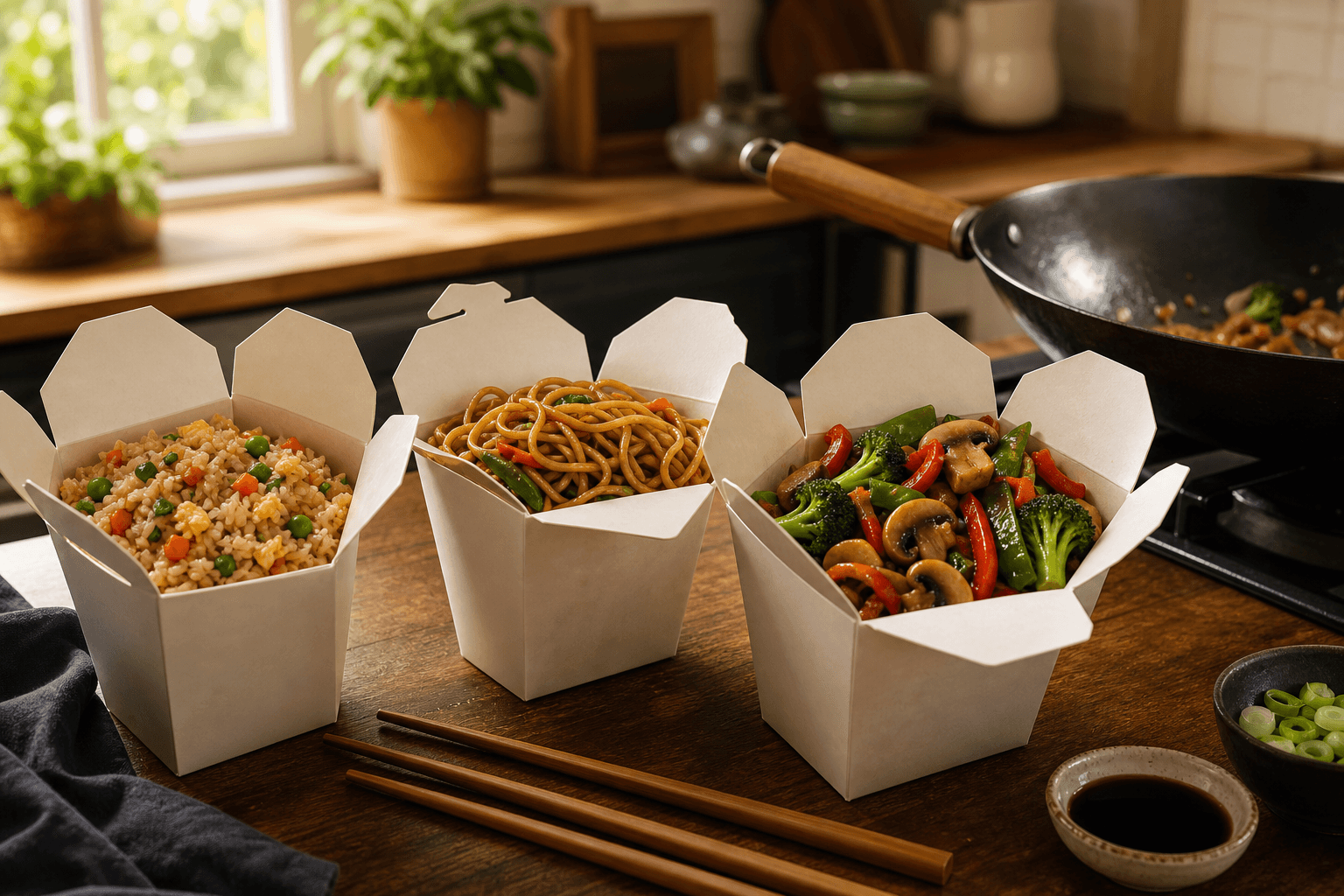
What to do with leftover Chinese food
Refrigerate leftover Chinese food in airtight containers within two hours, eat it within three to four days (rice within one to three), and reheat everything to 165°F. Best move: turn it into a new dish, like fried rice or a noodle stir-fry, before the flavors fade.
That carton of General Tso's and half-eaten lo mein sitting in your fridge does not have to end up as a sad forkful of cold noodles for lunch, or worse, in the garbage. With the right storage and a little bit of a plan, last night's takeout (or your own stir-fry) can become tonight's dinner, tomorrow's lunch, or the base of something better than the original. Here is how to store it safely, when to toss it, and nine ways to turn it into a meal that does not feel like a repeat.
How long does leftover Chinese food last?
Most cooked leftovers are good in the fridge for three to four days, according to the USDA's Food Safety and Inspection Service, and the full leftovers storage chart gives those general times dish by dish. But not every part of your order ages the same way. Rice and anything with seafood spoil faster than a chicken and broccoli stir-fry, so treat the whole container by its fastest-aging ingredient.
| Item | Fridge | Freezer (for best quality) |
|---|---|---|
| Fried rice or steamed rice | 1 to 3 days | 1 to 2 months |
| Lo mein or chow mein noodles | 3 to 4 days | 1 to 2 months |
| Stir-fried chicken, beef, or pork | 3 to 4 days | 2 to 3 months |
| Seafood dishes (shrimp, fish) | 2 to 3 days | 1 to 2 months |
| Soup or wonton soup | 3 to 4 days | 2 to 3 months |
| Egg rolls or spring rolls | 3 to 4 days | 1 to 2 months (texture suffers) |
| Dumplings or potstickers | 3 to 4 days | 1 to 2 months |
| Sauce-heavy dishes (orange chicken, sweet and sour) | 3 to 4 days | 2 to 3 months |
Frozen food stays safe well past these windows. It just loses moisture and flavor the longer it sits. When in doubt, or if anything smells off, throw it out.
How to store leftover Chinese food so it does not go to waste
- Get it cold within two hours. The FSIS two-hour rule applies to takeout the same as it does to food you cooked yourself: perishable food left out longer than two hours (one hour if it is above 90°F) should be tossed, not saved.
- Move it out of the takeout container. Foam and thin plastic containers are not built for long fridge storage. Transfer everything into shallow, airtight containers so it cools faster and seals better.
- Split it up. Keep rice, noodles, proteins, and sauce in separate containers where you can. It stores better and makes remixing into a new dish much easier later in the week.
- Label the date. A piece of tape and a marker is enough. It turns "does this still look okay" into a quick glance at the calendar.
- Reheat to 165°F. Use a food thermometer if you have one, or make sure it is steaming hot all the way through. Only reheat a given portion once.
Why leftover rice needs extra care
Cooked rice can carry spores of a bacteria called Bacillus cereus that survive cooking. If rice sits out at room temperature, those spores can grow and produce a toxin that reheating will not destroy, a phenomenon sometimes nicknamed "fried rice syndrome." The fix is simple: get rice into the fridge quickly, eat it within a day or two, and reheat it until it is fully hot. If a rice or noodle container has been sitting on the counter since dinner last night, it is safer to skip it.
What to make with leftover Chinese food (9 ideas that beat the microwave)
- Leftover fried rice remix. Chop any leftover protein and vegetables, crisp them in a hot pan with a beaten egg, and fold in the leftover rice at the end so it heats through without turning mushy.
- Noodle stir-fry. Toss leftover lo mein or chow mein into a hot skillet with a splash of soy sauce, a spoon of sesame oil, and whatever fresh vegetables you have on hand.
- Fried rice or noodle soup. Simmer leftover broth-friendly items (dumplings, shredded chicken, bok choy) in chicken broth with a splash of soy sauce and a drizzle of chili oil for a fast soup.
- Lettuce wraps. Chop leftover stir-fried chicken or beef fine, warm it with a little extra sauce, and spoon it into butter lettuce cups with scallions and crushed peanuts.
- Fried rice pancake. Press leftover fried rice into a hot, oiled skillet and let it crisp into a flat cake on both sides, then top with a fried egg.
- Egg foo young style scramble. Fold chopped leftover vegetables and protein into beaten eggs and cook like an omelet, finished with a quick soy-sauce gravy.
- Rebuilt bowl. Layer leftover rice or noodles, protein, and vegetables over fresh greens with a squeeze of lime for a cold, salad-style lunch.
- Re-crisped spring rolls or dumplings. Skip the microwave, which turns them soft. An air fryer or a dry skillet brings back the crunch in a few minutes.
- Fried rice stuffed peppers or omelet filling. Use small amounts of leftover rice or noodles as a filling rather than a full meal, which stretches them further and adds variety.
A simple fridge stir-fry method, step by step
This is the fastest way to turn a mix of leftover containers into one cohesive dinner.
- Sort what you have into three piles: protein, vegetables, and starch (rice or noodles). Set the sauce aside.
- Heat a wok or large skillet until it is genuinely hot, then add a spoon of oil.
- Add fresh aromatics first, garlic, ginger, or scallion whites, and cook for 30 seconds.
- Add the protein and let it sizzle and reheat until hot through, a couple of minutes.
- Add the starch, breaking up any clumps of rice or noodles as they heat.
- Add the vegetables and leftover sauce, plus a splash of water or extra soy sauce if things look dry.
- Toss everything until it is steaming hot throughout, taste, and adjust with a little more soy sauce or a dash of vinegar.
- Finish with a drizzle of sesame oil and scallion greens off the heat.
The whole thing takes about ten minutes and works with almost any combination of leftover Chinese dishes. It is a solid fallback whenever the fridge looks like a puzzle.
Keep it from becoming waste in the first place
The easiest way to use up leftovers is to know they are there. If you push takeout containers to the back of the fridge and forget about them, none of the ideas above matter. Well Stockd lets you log what is in your fridge, including last night's Chinese food, so it shows up when you are deciding what to cook and gets flagged before it is past its window. It is also an app that suggests recipes based on ingredients you have, so a half container of rice and some leftover broccoli can turn into a real dinner suggestion instead of another guessing game.
For more on cooking around what is already in your kitchen, see our guide to what to cook with what you have, try a fridge recipe finder built for exactly this kind of leftover puzzle, or read about how you can tell it what's in your fridge and get recipes back in seconds.
Frequently asked questions
Can you eat Chinese food that has been in the fridge for five days? It is safer not to. The general guidance from USDA's Food Safety and Inspection Service is three to four days for cooked leftovers, and rice specifically is best eaten within one to three days. Past that window, the risk of foodborne illness goes up even if the food looks and smells fine.
Can you freeze Chinese takeout? Most of it, yes. Stir-fried proteins, soups, and sauce-heavy dishes freeze well for two to three months. Rice and noodles freeze acceptably for one to two months but soften on thawing. Fried items like egg rolls and spring rolls freeze fine but lose their crunch, so plan to re-crisp them in an air fryer or oven rather than a microwave.
Is it safe to reheat fried rice? Yes, as long as it was refrigerated within two hours of cooking and reheated to 165°F all the way through. Reheating kills active bacteria, but it will not destroy toxins that can form if rice sat out too long before it was chilled, so the cooling step matters as much as the reheating step.
Do I need to reheat leftover Chinese food on the stove instead of the microwave? Either works for food safety as long as it reaches 165°F throughout. The stove or a wok tends to give better texture for noodles and fried rice, while the microwave is faster and fine for soups and saucy dishes.
Sources: FSIS: Leftovers and Food Safety, FSIS: Safe Handling of Take-Out Foods, Cleveland Clinic: How To Prevent Fried Rice Syndrome
Track it in Well Stockd
Add what you have, see what you can cook tonight, and get a reminder before anything goes off.
